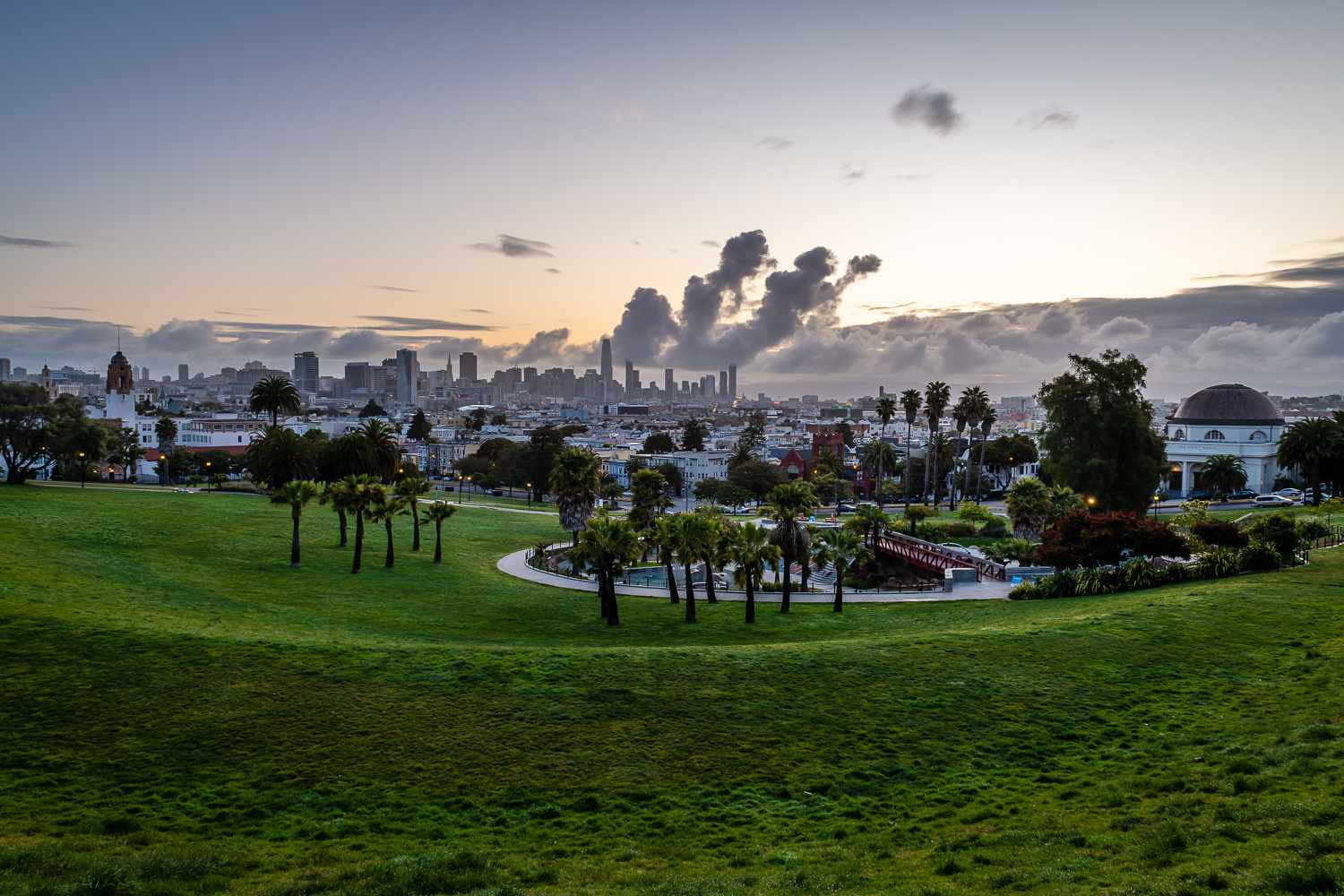
Mission Dolores Park
This public space serves as a central gathering point offering views of the city skyline and local activity.
Visit the southwest corner for the best vantage point of the city.
The Mission District carries more than a century of immigration, labor organizing, and culinary reinvention within its twenty-four-block grid. This guide traces the historical threads that connect today's taqueria counters, mural-covered alleyways, and community gathering spots to the waves of settlement that built the neighborhood.
Quick answer
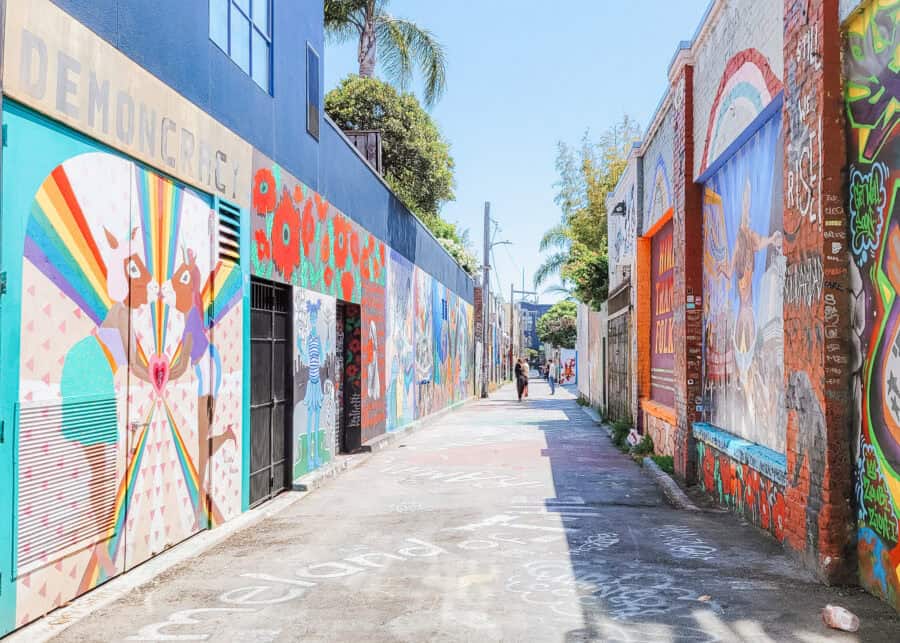
A Mission District food and culture tour explores the neighborhood's layered immigrant history—from Irish and German settlers in the 1860s through the Latin American communities that reshaped the district after 1960. The tour format typically covers a two-mile walking loop, linking murals that document social movements with eateries representing Salvadoran, Mexican, and Nicaraguan culinary traditions. Most routes begin mid-morning to catch bakeries and lunch counters during preparation hours, with the best arrival window between 10:00 and 14:00 when natural light illuminates the outdoor murals along Balmy Alley and Clarion Alley.
The Mission District became San Francisco's most densely settled neighborhood because of a single geographic fact: it occupies the city's warmest, foggiest-protected corridor, a microclimate that drew sequential waves of immigrants who converted the flatland into workshops, markets, and meeting halls. By 1870, Irish laborers and German tradesmen had established the district's first commercial spine along Mission Street, building wooden storefronts and union halls that burned in the 1906 earthquake and were replaced with the low-rise brick structures that still define the streetscape. The Latin American migration that began in the 1950s—driven by political displacement in Central America and economic opportunity in California—transformed the neighborhood's culinary and visual identity within two decades. Salvadoran families opened pupuserías that doubled as social centers; Mexican bakeries introduced pan dulce traditions; Nicaraguan immigrants brought nacatamal recipes that required hours of communal preparation. This culinary overlay coincided with the Chicano mural movement of the 1970s, when artists painted political narratives directly onto building facades, alleyway walls, and garage doors, creating an outdoor gallery that documented labor struggles, indigenous heritage, and anti-war organizing. Balmy Alley, a single-block laneway between 24th and 25th Streets, became the movement's most concentrated canvas, hosting more than thirty murals that chronicle four decades of social history. A walking food tour through the district today moves between these two archives—the edible and the painted. The route structure typically begins at 24th Street BART, follows the mural corridors south and east, and loops back through the commercial blocks where third-generation taquerías operate beside newer craft-coffee roasters and natural-wine bars. The historical dimension of the tour lies not in a single monument or museum but in the accumulated evidence of how immigrant communities used food preparation, public art, and street-level commerce to claim space and build political power. The neighborhood remains economically contested, with rising rents pushing out long-established businesses, which makes the cultural documentation embedded in these tours both a preservation act and a real-time record of displacement. The best time to walk the district aligns with the rhythms of food preparation rather than meal service. Mid-morning hours reveal bakeries pulling conchas and orejas from deck ovens, produce vendors stacking chilies and tomatillos in sidewalk displays, and mural walls lit by direct sun rather than evening shadow. Entry to the neighborhood is free, and the district operates as a public streetscape rather than a ticketed site, though individual tour operators set their own participation fees and group sizes.
“The Mission became the city's most densely settled neighborhood because it occupies San Francisco's warmest, fog-protected corridor.”
The Mission District traces its origins to 1776, when Spanish colonists established Mission San Francisco de Asís—the oldest surviving structure in San Francisco. The mission's agricultural lands stretched across what would become the neighborhood, worked by indigenous Ohlone and Miwok populations under the Franciscan order. By the 1830s, Mexican secularization dismantled the mission system, and rancheros subdivided the land into dairy farms and orchards. The district remained largely rural until the 1906 earthquake and fire drove thousands of displaced San Franciscans south; wooden Victorian homes rose quickly on the former pastures, and the Mission became a dense working-class enclave. Immigration reshaped the neighborhood through the twentieth century. Irish and German families dominated the early decades, but by the 1940s and 1950s, the Mission emerged as the cultural heart of San Francisco's growing Latin American community. Mexican, Salvadoran, and Nicaraguan families opened taquerías, panaderías, and produce markets along Mission Street and Twenty-Fourth Street, transforming the commercial corridor into a living archive of Central and South American foodways. The 1960s Chicano Movement found its visual expression in the district's murals—Balmy Alley and Clarion Alley became open-air galleries documenting social justice struggles, indigenous heritage, and diasporic identity. These murals remain central to any mission district food and culture tour, offering context for the neighborhood's ongoing resistance to gentrification. Today's culinary scene layers innovation atop tradition. Third-generation taquerías serve carne asada and lengua alongside craft cocktail bars and experimental paletería concepts. The district's food vendors preserve recipes carried north decades ago—handmade tortillas, pupusas pressed to order, horchata infused with canela—while newer operators reinterpret those techniques through contemporary California ingredients. Visitors walking a food tour in San Francisco's Mission encounter this duality at every block: pre-Columbian cooking methods, Spanish colonial agriculture, and twenty-first-century gastronomic experimentation coexist within a ten-block radius. The murals, the Mission Dolores basilica, and the family-run eateries form a continuous narrative, one still written by the community that has defended its identity for half a century.
Spanish Franciscans establish Mission San Francisco de Asís, the sixth California mission and the district's namesake.
Mexican government secularizes the mission; land is divided into private ranchos and used for cattle grazing.
Earthquake and fire displace thousands; refugees settle in the Mission, spurring rapid residential construction.
Latin American immigration accelerates; Mexican and Central American families open taquerías, panaderías, and groceries.
Chicano muralists transform Balmy Alley and Clarion Alley into public art corridors addressing social justice and cultural heritage.
Dot-com boom brings gentrification pressure; community organizations work to preserve Latino cultural institutions and affordable housing.
Mission District becomes a nationally recognized culinary destination, blending traditional Latin American foodways with modern California cuisine.
The Mission District offers a distinct convergence of culinary traditions and vibrant public art. These locations provide essential context for understanding the neighborhood's evolution.
This public space serves as a central gathering point offering views of the city skyline and local activity.
Visit the southwest corner for the best vantage point of the city.
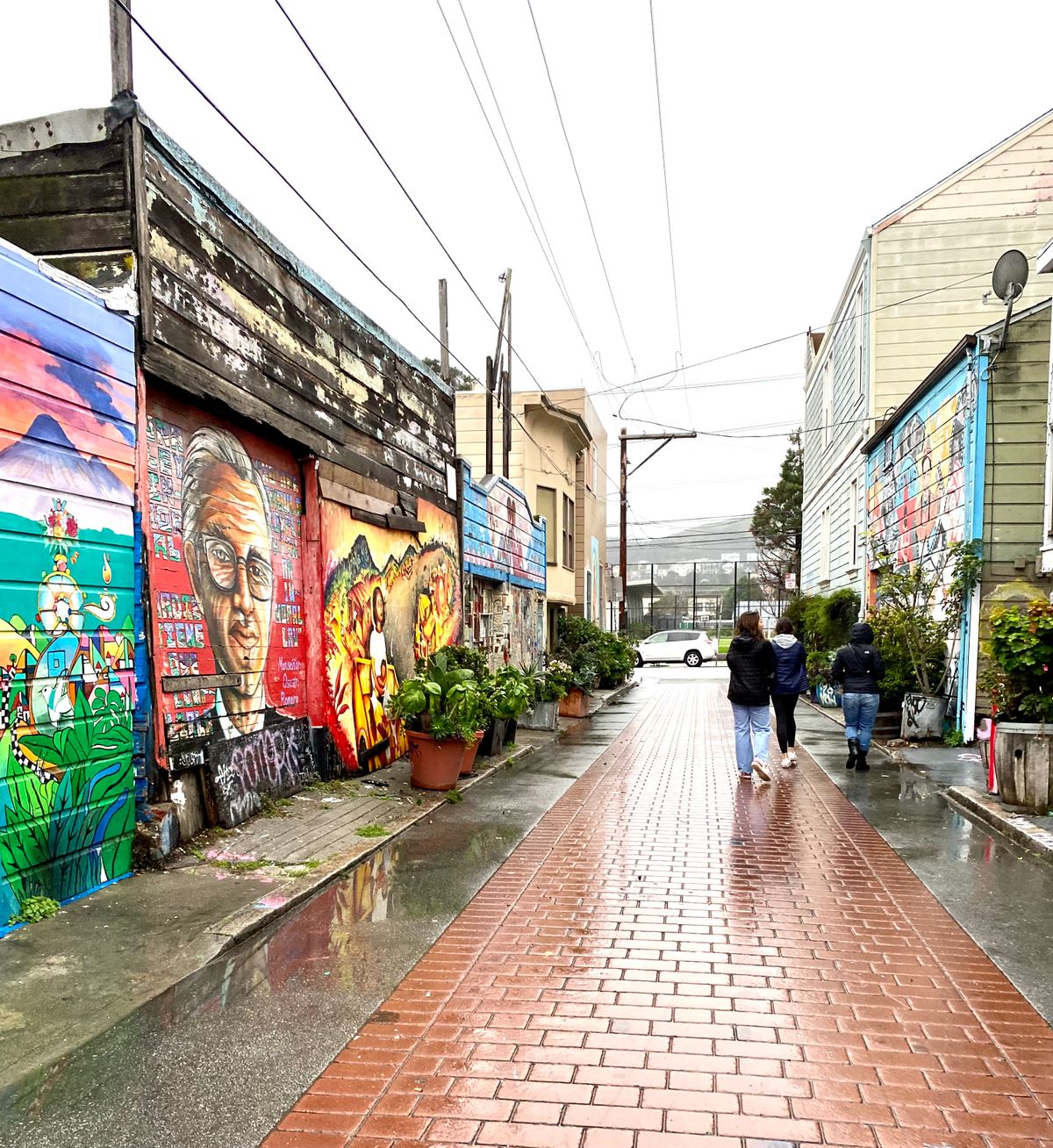
Known for its high concentration of murals, this alleyway functions as an open-air gallery documenting social and political history.
Walk from 24th Street to observe the mural details in natural light.
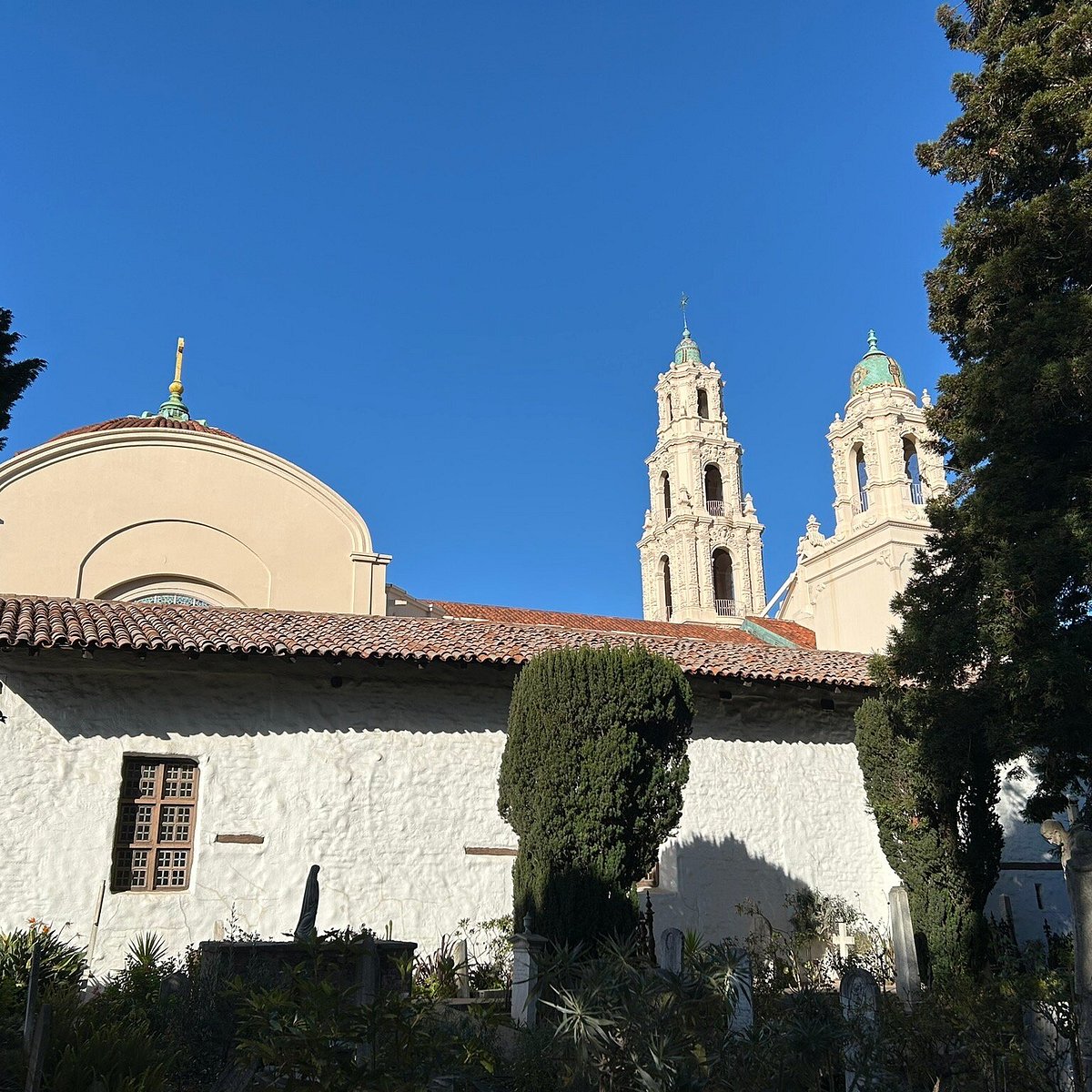
This site marks the oldest intact building in San Francisco, reflecting the early influence of Spanish colonial architecture.
View the exterior grounds to compare the original mission with the newer basilica.
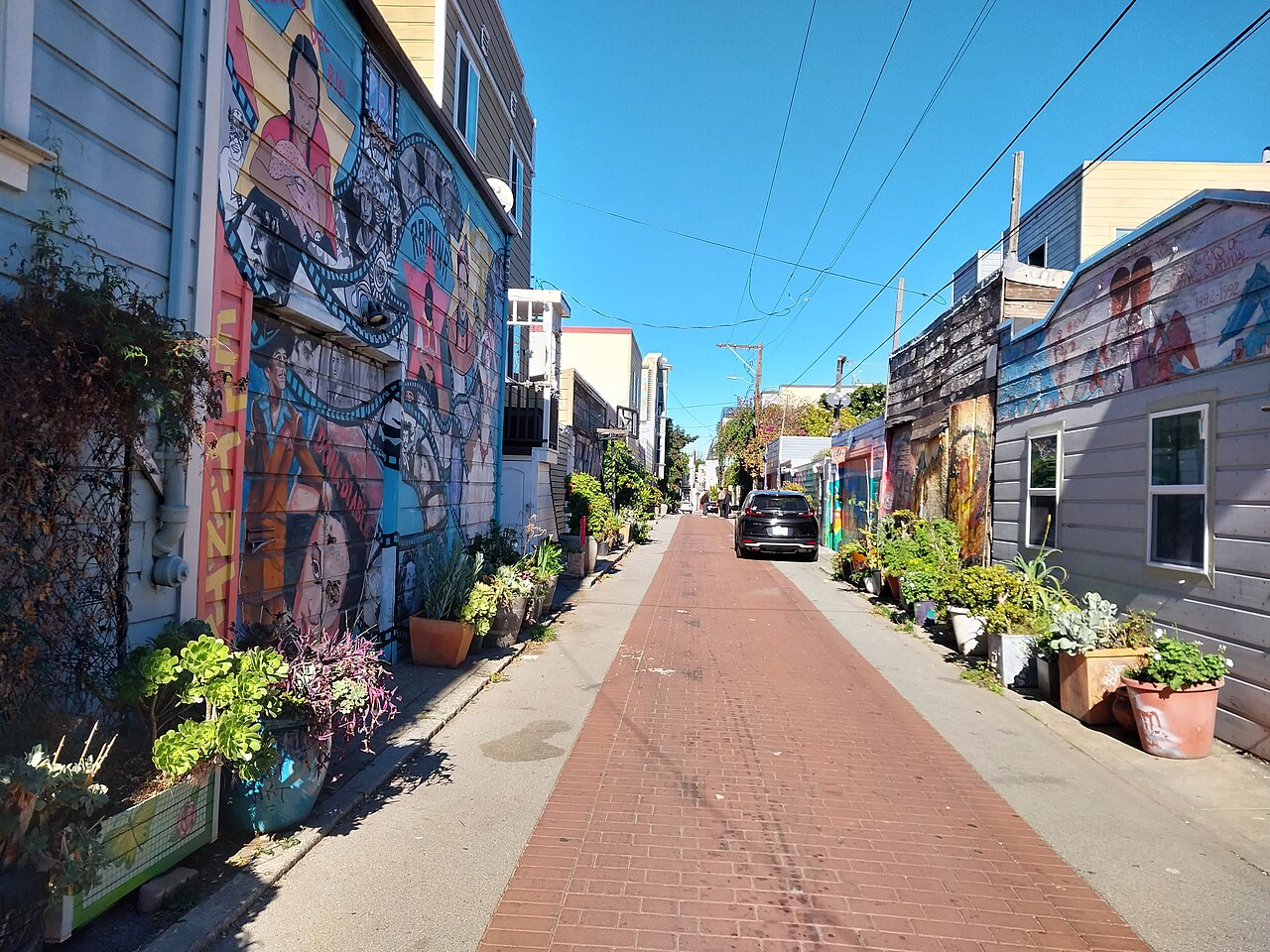
This corridor preserves the neighborhood's Latino heritage through long-standing businesses and community-focused public art.
Focus on the intersection of 24th and York to find local murals.
The best arrival window for a Mission District food and culture tour is 10:00–14:00. This timeframe provides the ideal balance for observing street murals in natural daylight while accessing local eateries during their primary preparation and service hours.
—
Visiting between 10:00 and 14:00 avoids peak commuter traffic and allows for unhurried observation of public art installations.
Mild, 60–70°F
These seasons offer the most stable conditions for walking tours through the neighborhood streets.
Cool, 60–65°F
Expect higher foot traffic during warmer months, though the consistent coastal breeze keeps temperatures comfortable for outdoor exploration.
Verdict: The most effective time to experience the district is Tuesday to Thursday, arriving at 10:00 during the months of April or October.
The Mission District food and culture activities are accessible daily throughout the week. Visitors can explore the area at any time, though specific operator tours maintain their own schedules.
Access to the Mission District for self-guided exploration is free of charge. Costs for guided food and culture tours depend entirely on the private operator chosen for the experience.
Verdict: While the district itself is free to enter, visitors typically pay varying rates set by private tour operators for guided food and culture experiences.
Everything you need to know about mission district food and culture tour
A mission district food and culture tour typically focuses on the neighborhood's deep roots in Latino heritage and modern culinary innovation. Participants should prepare for significant walking while visiting various eateries and public spaces. Check your specific provider for dietary accommodation policies before finalizing your plans.
Many operators design the mission district food and culture tour to be accessible, though the length of walking can be challenging for young children. Parents should verify if the specific route includes stroller-friendly paths and child-appropriate menu options. Most tours accommodate families if participants can comfortably walk for the duration of the experience.
We recommend selecting a slot during the best arrival window of 10:00–14:00 to enjoy the area. This timing ensures you see the vibrant murals in natural daylight and allows you to visit popular eateries before the evening crowds arrive. Exploring during these hours also helps you avoid the busiest periods of local transit.
While there is no general entry fee for the neighborhood, the mission district food and culture tour requires payment to the private operator organizing the experience. Costs for these professional outings vary based on the provider and the number of stops included. Always check the official site for current pricing structures.
The mission district food and culture tour highlights the neighborhood's evolution from its early roots to its current status as a center of activism and gastronomy. Guides often share stories about the influential community organizations and cultural landmarks that shaped the area. This context provides a deeper understanding of the diverse flavors found in local taquerias and cafes.
Yes, the mission district food and culture tour frequently stops at iconic locations to view colorful murals and historic architecture. These cultural landmarks provide a visual narrative of the community's artistic expression over the decades. You will find that these creative displays are an integral part of the neighborhood's character.