English| USD
Suggested for you
More currencies
Choose a language
The Mission District's food culture unfolds on foot. This guide maps the walking format, typical route flow, and neighborhood landmarks that anchor a mission district walking food tour—so you know what ground you'll cover and how the experience is structured.
Quick answer
A mission district walking food tour typically covers 1.5 to 2 miles over two to three hours, threading through Valencia Street, 24th Street, and the surrounding blocks between 16th and Cesar Chavez. Most routes start near the 16th Street BART station and move south, stopping at taquerias, bakeries, and corner markets that define the neighborhood's culinary identity. Tours operate Friday and Sunday from 11:00 to 14:00, aligning with midday service at participating vendors.
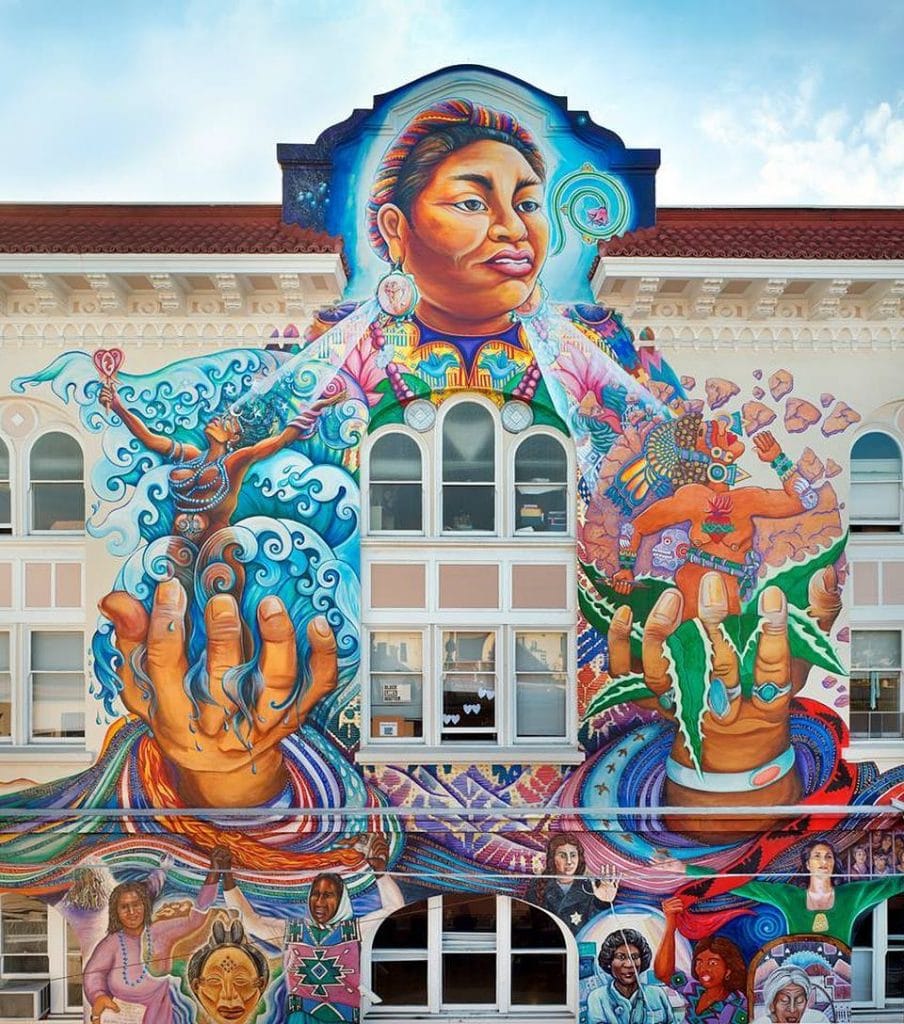
The Mission District generates more culinary folklore per block than any other San Francisco neighborhood, and the walking tour format exists because the density rewards it. Taquerias, panaderias, ice cream parlors, and third-wave coffee roasters sit within arm's reach of one another along Valencia and 24th Street, and the murals that coat garage doors and alley walls turn the intervals between tastings into a gallery walk. A mission district walking food tour stitches these elements into a single route, typically covering 1.5 to 2 miles over two to three hours. Most operators begin near the 16th Street BART plaza and work south, using Valencia Street as the spine. The first stop is often a bakery or cafe where participants orient themselves over Mexican hot chocolate or a concha. From there, the route zigzags east and west, pulling in side streets where family-run taquerias have occupied the same corner for decades. Guides pause at murals—Balmy Alley and Clarion Alley are common waypoints—because the neighborhood's visual culture and its food culture share the same immigrant roots and the same defiance of gentrification. The walking pace is deliberate, with five to seven tasting stops spread across the distance. Each stop lasts ten to fifteen minutes, long enough to contextualize the dish but short enough to keep the group moving before anyone feels overfed. The terrain is flat, the sidewalks wide, and the cross streets predictable. Mission Street runs parallel to Valencia one block east, noisier and more congested, so most routes favor Valencia's tree canopy and bike lanes. At 24th Street, the route typically turns east toward the BART plaza, where produce vendors, pupuserias, and Mexican groceries cluster. This stretch represents the neighborhood's working-class commercial heart, distinct from Valencia's boutique density. Guides time the walk to coincide with midday service windows—taquerias hit their stride between 11:00 and 14:00, and bakeries restock their cases after the morning rush. The tour format assumes participants can walk two miles without difficulty, stand for short intervals, and eat while moving. No seating is guaranteed at every stop; some tastings happen curbside or in a shop's threshold. Weather in the Mission skews ten degrees warmer than the rest of San Francisco, a microclimate quirk that makes the neighborhood walkable year-round but especially pleasant in autumn and spring. Fog rarely penetrates past 20th Street. Guides recommend layered clothing, comfortable shoes, and an empty stomach. The walking food tour model depends on proximity—the fact that you can taste carnitas, horchata, and Oaxacan mole within a six-block radius—and on the neighborhood's tolerance for foot traffic. Participants leave with a mental map of where to return, which is the tour's real yield. Operators vary in their route choices, but the format remains consistent: a guided walk through a concentrated culinary zone, with narration that connects the food to the neighborhood's history. The route anchors itself to the Friday and Sunday service windows when the district's food vendors operate in full. That schedule reflects the rhythm of the Mission itself, where the weekend brings families, markets, and the kind of street energy that makes a walking tour feel less like an excursion and more like eavesdropping on daily life.
“The Mission generates more culinary folklore per block than any other San Francisco neighborhood, and the walking tour format exists because the density rewards it.”
Most Mission District food tours follow a three-hour walking loop that covers roughly two miles at a comfortable pace, with five to seven tasting stops. The format suits anyone who can walk a few city blocks and pause to sample dishes along the way.
Your guide meets the group at the station plaza and introduces the neighborhood's culinary history while walking toward Valencia Street—about five minutes to the first stop.
Sample a signature taco or pupusa at a longstanding family-run spot; expect ten to fifteen minutes here as the guide explains the dish's regional roots.
A twelve-minute stroll along Balmy Alley and Clarion Alley lets you see the district's street art while moving toward the next vendor.
Visit a bakery for pan dulce and a café for specialty coffee or horchata, spending about twenty minutes total across both locations.
Cross into the heart of the Mission corridor with a fifteen-minute walk that passes historic theaters and indie shops.
Taste a regional specialty—often a Salvadoran or Mexican plate—with time to ask questions and compare notes with the group.
End at an ice cream or churro vendor near 16th Street BART, where the guide answers final questions before the group disperses.
The best arrival window for a Mission District walking food tour is 11:00–14:00, which aligns with local operator start times and active midday dining service. This period ensures full access to the neighborhood's culinary offerings while avoiding the downtime associated with evening prep or morning closures.
Mild, 60–70°F. Ideal for walking comfort.
Clear skies and moderate temperatures make this a peak season for outdoor dining exploration.
Cool, 55–65°F. Expect coastal fog layers.
Summer brings heavy fog, often known as 'Karl', requiring layers for outdoor walks.
Warmest, 65–75°F. Often the clearest period.
This season offers the most consistent sunshine and pleasant temperatures for navigating the district on foot.
Cool and wet, 50–60°F. Frequent rain showers.
Winter sees fewer visitors and cooler, wetter conditions, making indoor stops a priority.
Verdict: The best time to visit is during the 11:00–14:00 arrival window in September or October to enjoy optimal weather and peak culinary operations.
Walking food tours in the Mission District operate exclusively on Fridays and Sundays. These tours maintain a consistent schedule throughout the week.
The Mission District is a public neighborhood in San Francisco with no admission fee. Any costs associated with walking food tours are determined by independent operators.
Verdict: While the district itself is free to enter, participants typically pay a per-person fee determined by their chosen private tour operator.
The Mission District food tour involves navigating urban sidewalks and street terrain typical of San Francisco. Visitors should anticipate moderate walking distances across varying pavement conditions.
Many sidewalks have curb cuts, though some historic areas feature uneven surfaces.
Navigating the district requires awareness of city street inclines and varying sidewalk conditions.
Operators can advise on venue-specific facilities during the tour route.
Please contact tour operators in advance to discuss specific assistance requirements.
Everything you need to know about mission district walking food tour
A mission district walking food tour typically involves visiting several local eateries to sample regional specialties while learning about the area's vibrant murals and history. Participants walk between stops, engaging directly with neighborhood artisans and culinary traditions. Most excursions prioritize authentic tastes found within this iconic San Francisco landmark. Culinary adventures in this area generally last between two and three hours, allowing enough time to enjoy multiple tastings without rushing. The pace is designed to be leisurely, fitting for those who enjoy exploring local street art and culture alongside their food. Because the mission district walking food tour is held outdoors, the duration is ideal for midday explorations. Many operators welcome families, though it is important to verify the walking intensity with specific providers before booking. Parents should consider whether their children enjoy diverse flavor profiles and can manage a few hours of light urban trekking. Always check if the tour route includes enough seating options for younger participants. Access to the public streets of the Mission District is free, as there is no entry fee to explore the neighborhood itself. While the area is open to the public, tour services are priced per participant by various operators. You do not need to pay to walk the neighborhood independently. The best arrival window for a mission district walking food tour is 11:00–14:00, which aligns with optimal dining hours and tour start times. Arriving during this period ensures that partner restaurants are fully prepared to serve fresh samples. This timeframe also avoids the busiest evening rush in the city. Most tour operators strive to accommodate dietary needs if informed at the time of reservation. It is essential to communicate any allergies or preferences to the provider well in advance to ensure a safe experience. Because menus can vary, clear communication helps coordinators prepare suitable alternatives at each stop.